

May in London, marking the final month of spring—despite the weather’s characteristic instability—signals the approach toward the conclusion of the winter concert and opera season. The British capital exhibits a dense concentration of exceptional concerts and operatic productions, prior to relinquishing momentum to the major summer festivals. Foremost among these is the renowned BBC Proms Festival at the Royal Albert Hall, a milestone event.
Despite prevailing economic headwinds, London decisively retains its status as one of the most culturally vibrant metropolises on the European continent. Attending performances on a nearly night-by-night basis during my most recent visit simply confirmed it: the sheer artistic calibre, intellectual depth, and stylistic variety of the London music scene remain world-class.
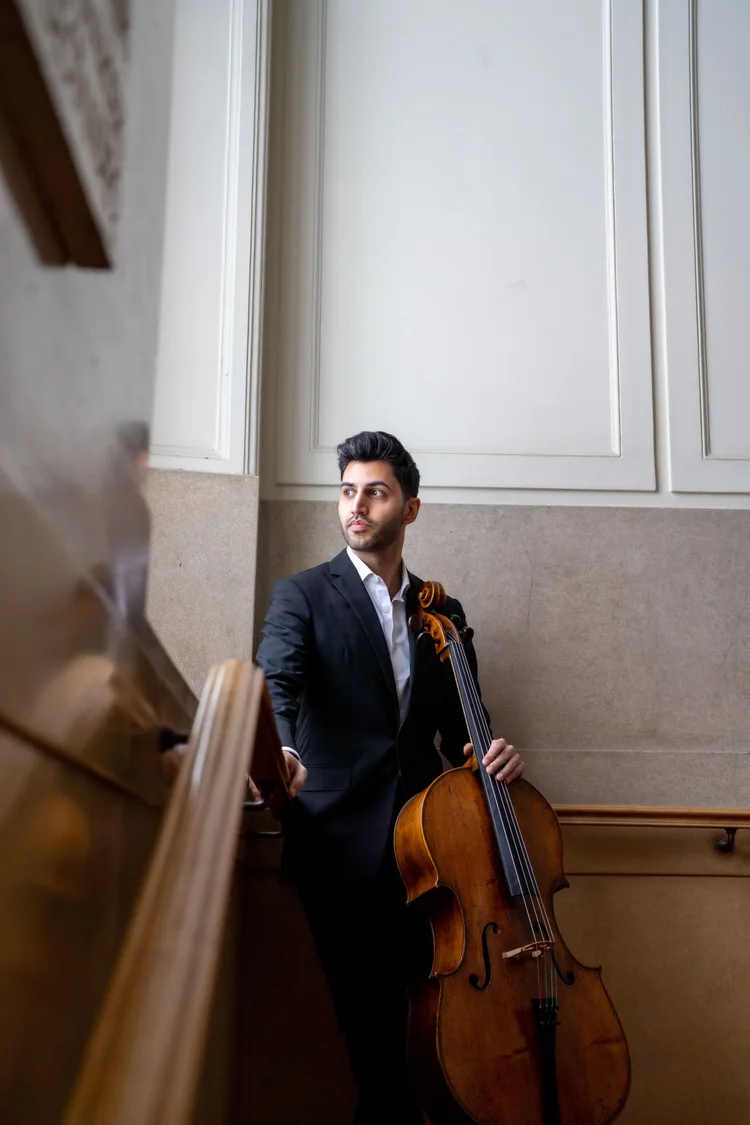
On 7 May, I attended a fine concert at the Royal Festival Hall. The first half included a passionate reading of Schumann’s Cello Concerto in A minor, Op. 129, offered by the brilliant virtuoso Kian Soltani and the always wonderful Philharmonia Orchestra, conducted by Leonidas Kavakos. Following the intermission, the orchestra delivered a dramatic and meticulously detailed performance of Brahms’ Symphony No. 1 in C minor, Op. 68. Having witnessed Kavakos conduct this symphony in Athens some years ago, I was reminded of his profound affection for, and deep knowledge of, the piece. Leveraging his insights as a star violinist, he drew a notably warm, resonant sound from the string instruments, which served as a fitting tribute to the composer on the anniversary of his birth. Knowing how deeply Kavakos relishes the podium, let us hope that future seasons afford him more regular opportunities to conduct.
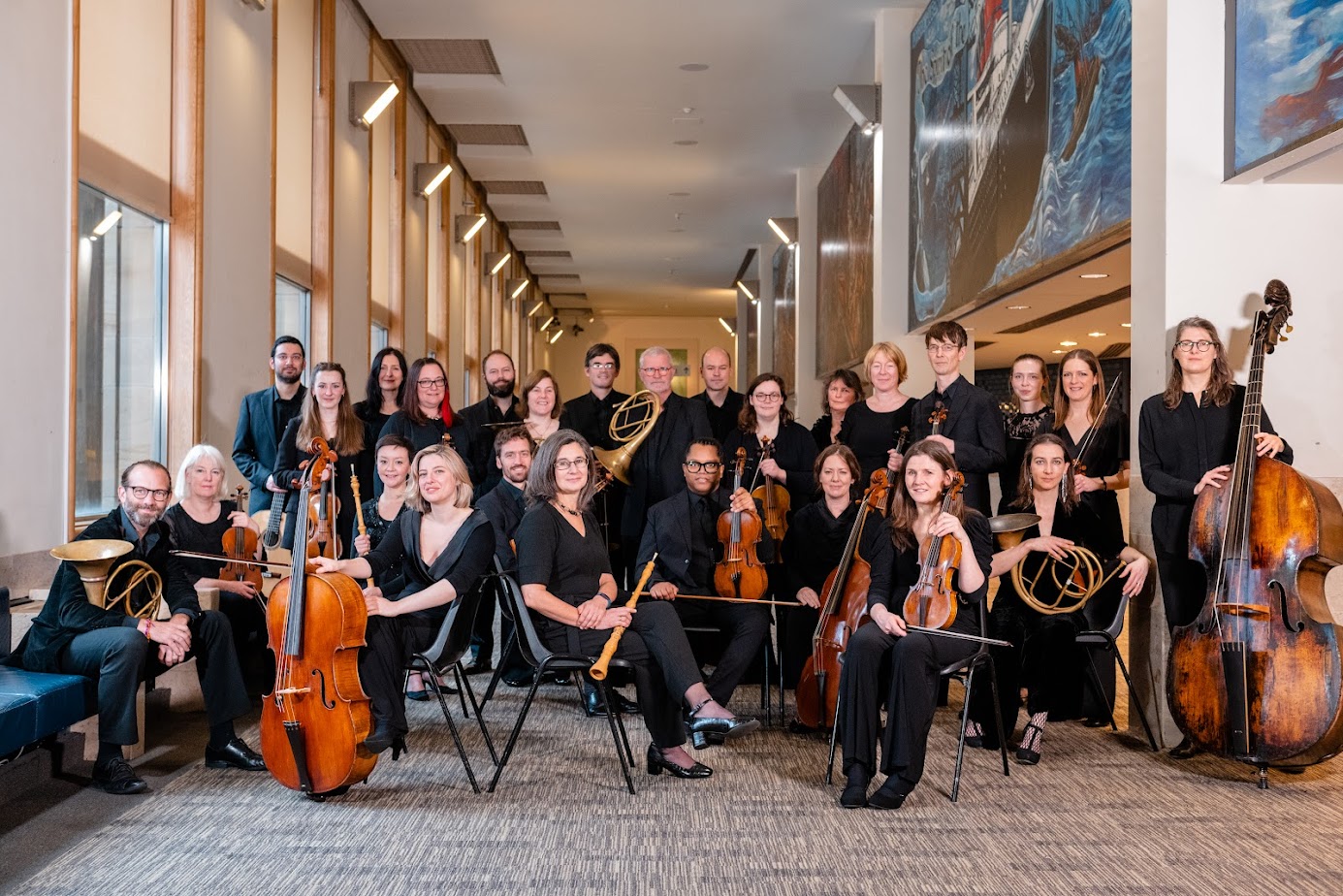
On 8 May, I witnessed exquisite readings of works by Johann Sebastian Bach, Georg Philipp Telemann and Christoph Graupner at the Wigmore Hall. It was an intriguing programme; countertenor Alexander Chance and the Dunedin Consort—an Edinburgh-based ensemble under the direction from the harpsichord of John Butt—captured the late Baroque spirit with vibrant energy and impeccable precision.
The programme opened with Johann Sebastian Bach’s Cantata Gott soll allein mein Herze haben BWV 169, featuring Stephen Farr on the organ alongside Chance. Next came Georg Philipp Telemann’s Concerto in E major for flute, oboe d’amore and viola d’amore TWV 53:E1, masterfully showcased by Katy Bircher, Alexandra Bellamy and Huw Daniel. Following Christoph Graupner’s inventive Overture in F major GWV 445, the evening culminated in Johann Sebastian Bach’s Wir müssen durch viel Trübsal BWV 146. For this profound final piece, countertenor Alexander Chance was joined by sopranos Zoë Brookshaw and Daisy Walford—whose appearance was unlisted in the programme but helpfully announced before the concert began—alongside tenor Philippe Durrant and bass Robert Davies to deliver a performance of remarkable splendour.
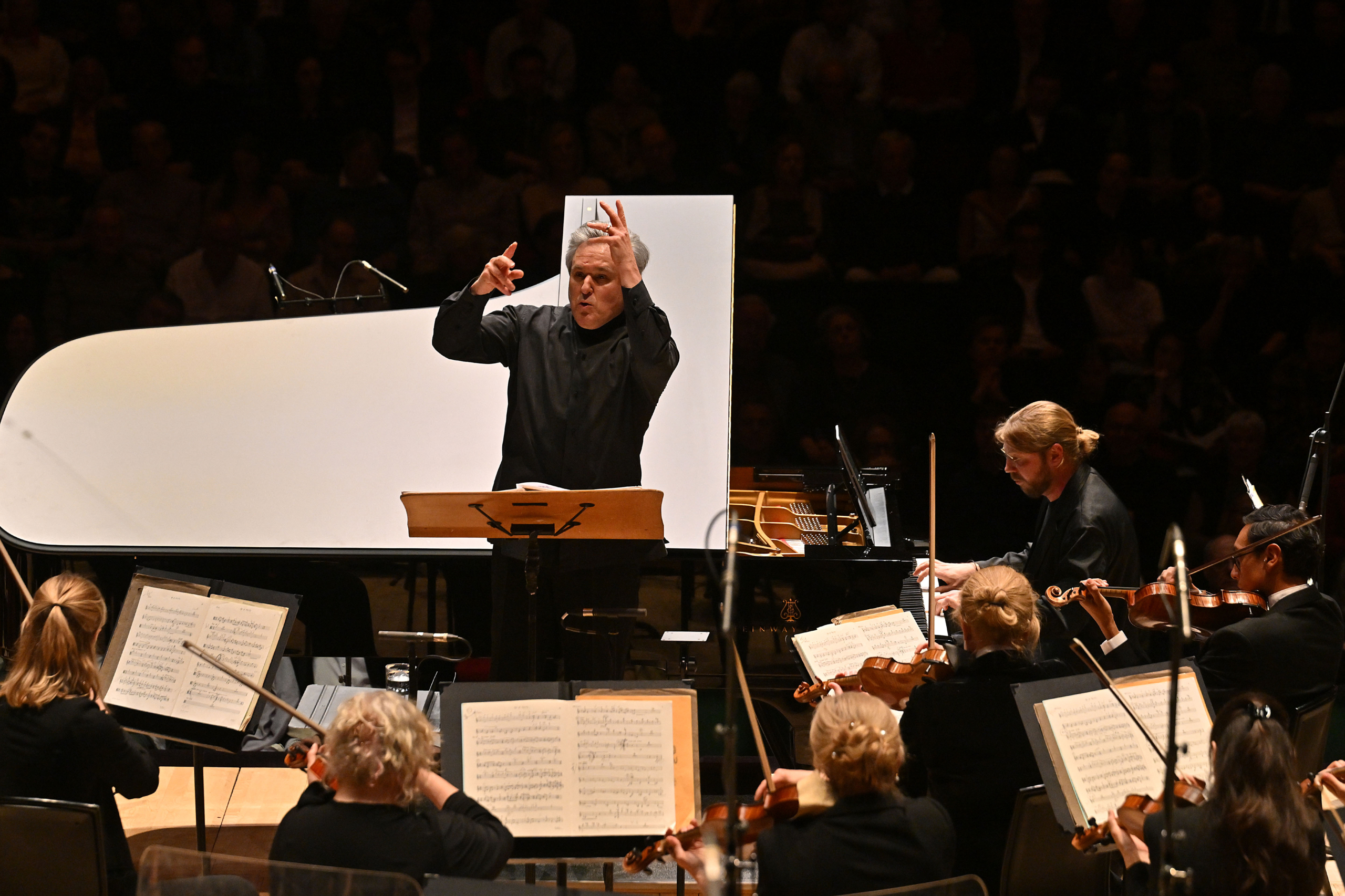
The day after next, on 10 May, I attended a memorable evening of music-making at the Barbican. The first half was equally compelling: Britten’s Sinfonia da Requiem, Op. 20, provided a powerful opening, followed by a truly exciting reading of Bernstein’s Symphony No. 2 (The Age of Anxiety).
Having recently admired Denis Kozhukhin’s extraordinary talent in Athens on 11 and 12 April, where he undertook the formidable challenge of performing all four of Rachmaninov’s Piano Concertos alongside the Rhapsody on a Theme of Paganini, Op. 43, with the Athens State Orchestra, I eagerly anticipated his appearance. His London performance was nothing short of brilliant, yet it was the special chemistry and electric responsiveness between Sir Antonio Pappano and the London Symphony Orchestra that truly brought the score to life, capturing every nuanced shift in Bernstein’s intricate orchestral tapestry. Bernstein famously enjoyed his own rich history of collaborations with the orchestra, and surely from afar he would have been deeply pleased and proud to hear the ensemble performing his work with such dedication.
Following the interval, the orchestra offered a mesmerising performance of Tchaikovsky’s Symphony No. 6 in B minor, Op. 74 (Pathétique) that was as shattering as it was beautiful. Under Pappano‘s baton, the music sounded full-blooded and fiery, with moments of profound sadness and despair; the sheer energy he put into his reading was deeply reminiscent of Leonard Bernstein’s own vivid interpretations of the work. Pappano’s deep love for opera invariably injects a dramatic and theatrical passion into everything he conducts, elevating the entire evening into a thrilling evocative experience.
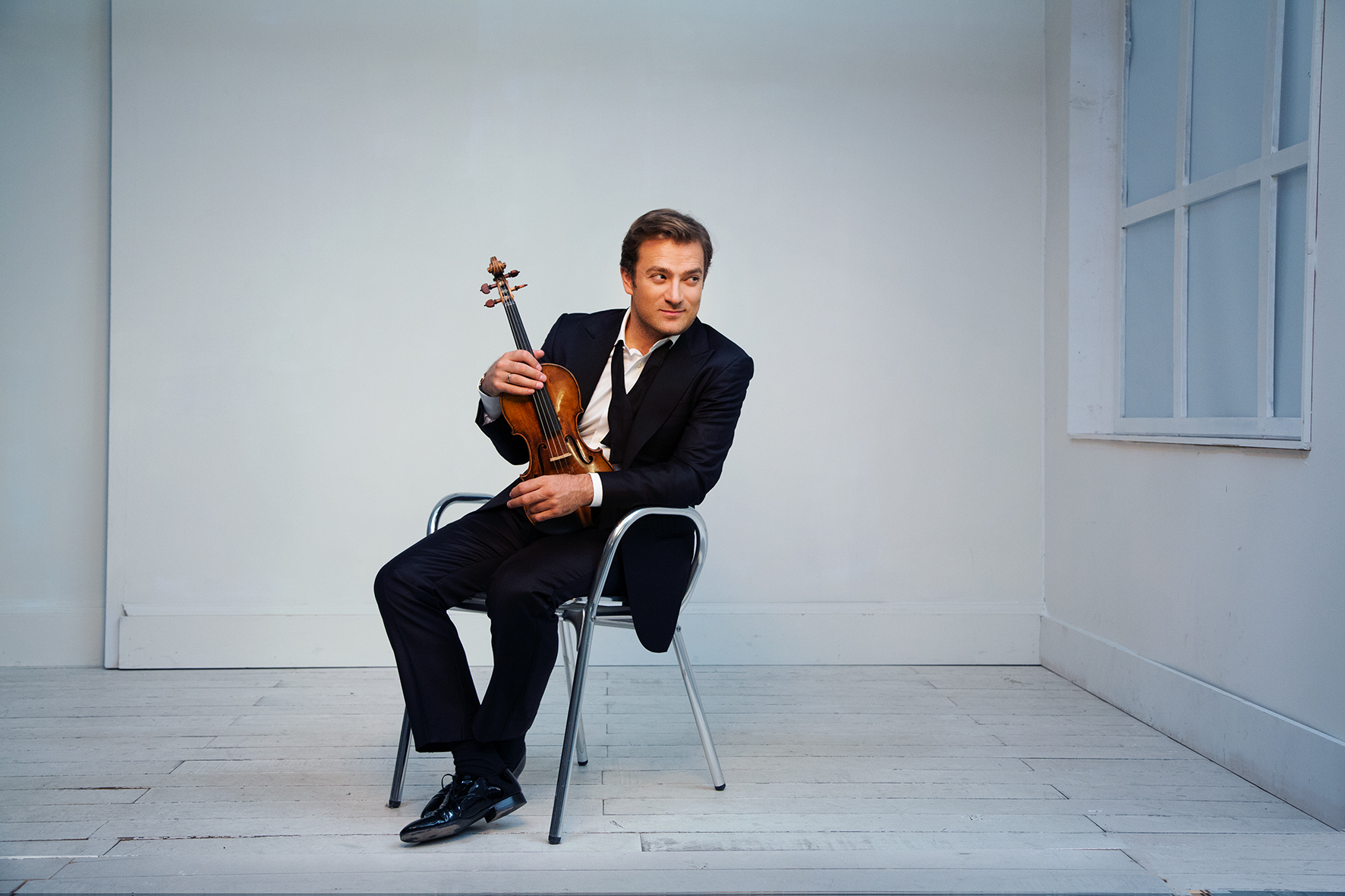
On 11 May, Renaud Capuçon and Igor Levit delivered transcendentally intimate readings of Brahms’s three masterful violin sonatas—No. 1 in G, Op. 78; No. 2 in A, Op. 100; and No. 3 in D minor, Op. 108—at the Wigmore Hall. Indeed, what setting could be more fitting than this acoustically shimmering, aesthetically sublime hall for the heavenly depths of Brahms, as channelled by two such preeminent artists? Combining profound sensitivity and flair with technical brilliance and expressive warmth, this was a rare performance in which both soloists were perfectly—and flawlessly—matched. As an encore, they played with great feeling the Adagio second movement of Sonata No. 3.
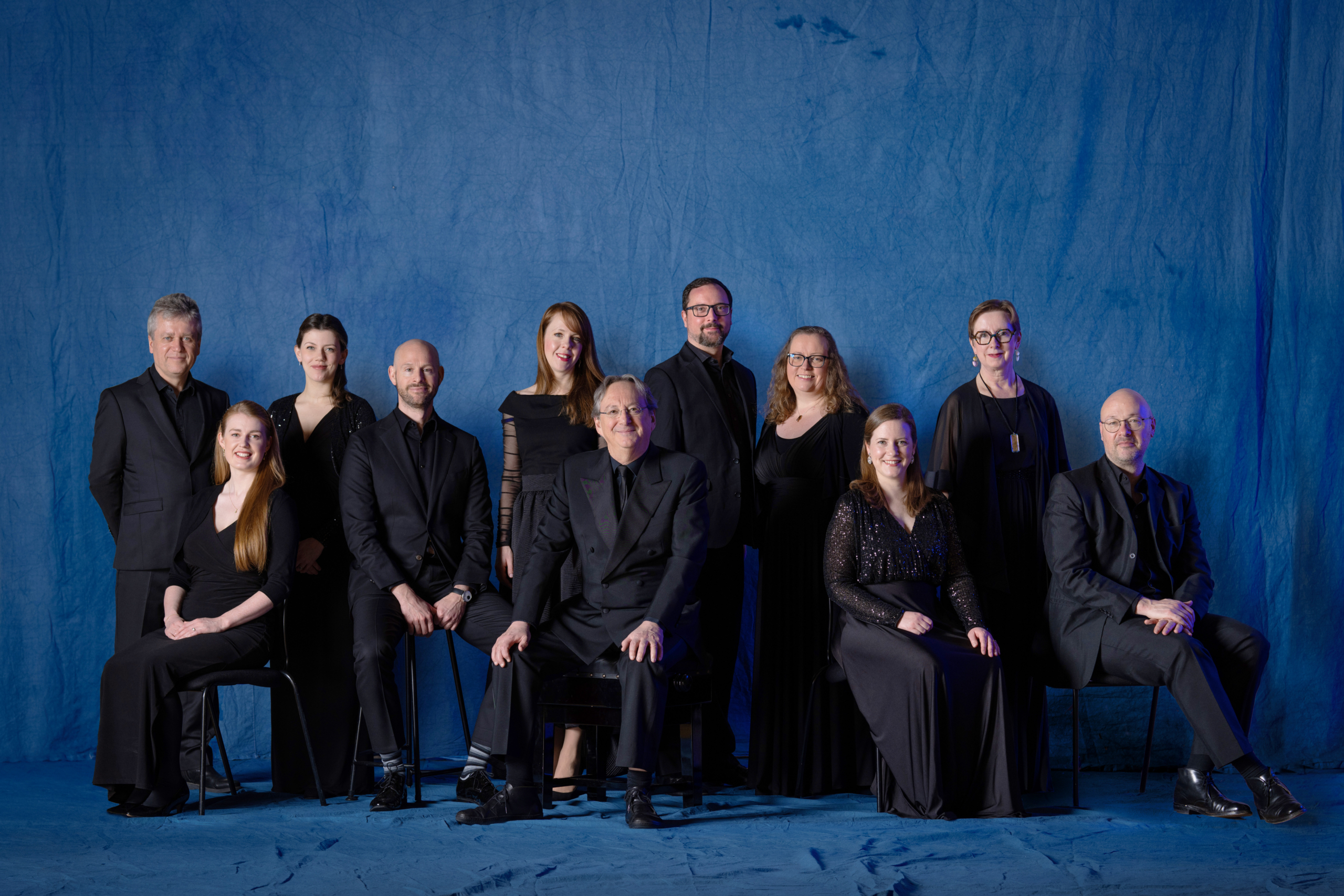
A concert on 13 May at Cadogan Hall featured Peter Phillips leading his vocal ensemble, The Tallis Scholars, in a moving performance that showcased their trademark precision across centuries of sacred vocal masterpieces. The ensemble finely projected counterpoint and harmony while singing with effortless and captivating sprezzatura. The historical pinnacle of the evening arrived with the first UK performance of Palestrina‘s recently rediscovered Requiem, prefaced by his resplendent motet Dum complerentur. This monumental archival revival contrasted starkly with the poignant settings of the Lamentations by both Dominique Phinot and Matthew Martin.
The inclusion of Martin‘s setting underscored the ensemble’s ongoing commitment to expanding the contemporary solo choral repertoire, having originally commissioned the piece as part of their advocacy for 21st-century sacred music. This modern perspective balanced beautifully alongside Giovanni Pierluigi da Palestrina’s Surge illuminare and Gregorio Allegri’s timeless Miserere.
Concluding the evening with Nicolas Gombert’s Regina caeli as an encore, the ensemble delivered a definitive lesson in balance, intonation, and stylistic authority.
