

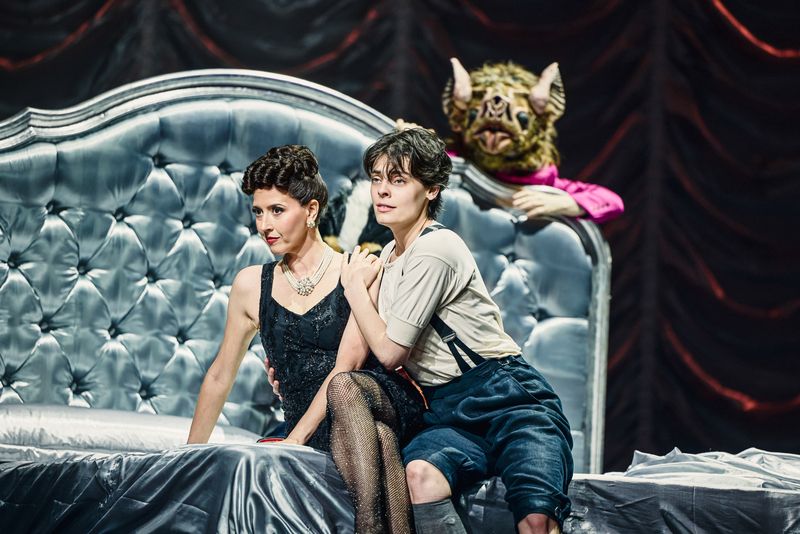
For George Frideric Handel devotees, few cities match London’s dedication to keeping the composer’s works alive. On Saturday 3 October, this enduring artistic commitment came alive at the Royal Opera House, where the Royal Ballet and Opera presented a glorious revival of Handel’s 1735 masterpiece, Alcina.
Representing a pillar of late Baroque opera seria, Alcina (HWV 34) is distinguished by its nuanced integration of complex psychological profiling into strict, traditional da capo structures. Central to the drama is the title character, a seductive sorceress who shares the mythological features of Circe, beguiling weary travelers to her enchanted island before changing them into wild beasts and landscape elements once her passion fades.
Composed in early 1735 and completed on 8 April, the work premiered just over a week later on 16 April at London’s Theatre Royal, Covent Garden, marking Handel’s inaugural season at the newly erected venue. The original production featured an elite ensemble meticulously calibrated for the composer’s shifting musical forces: Italian soprano Anna Maria Strada del Pò created the demanding title role, supported by the renowned alto castrato Giovanni Carestini as Ruggiero, the prominent English soprano Cecilia Young as Morgana, and a youthful William Savage as Oberto.
Following a two-century eclipse—during which the stylistic idioms and extreme technical demands of Baroque vocal writing fell out of mainstream training—the opera underwent a monumental twentieth-century renaissance. This revival was spearheaded largely by the pioneering performance practice of Dame Joan Sutherland. Building upon the international stardom of her 1959 London breakthrough in Lucia di Lammermoor, Sutherland’s definitive interpretation under the direction of Franco Zeffirelli in 1960—initially mounted at Venice’s La Fenice, where the audience famously dubbed her “La Stupenda”—and subsequently presented at the Dallas Opera, re-established Alcina as a viable cornerstone of the global operatic stage.
In the subsequent decades of the broader Handel resurgence, other eminent lyric sopranos—most notably Renée Fleming in her critically acclaimed 1999 performances in Paris and Chicago—have further mapped the score’s intricate ornamentation and emotional landscapes, securing the opera a permanent position in the standard repertoire. This current, Olivier Award-winning staging originally premiered at the Royal Opera House on 8 November 2022, famously launching with the exact same celebrated primary cast that leads the present revival.
In the modern era, major Handel productions are frequently galvanised by the specific star power of elite singers capable of mastering these immense vocal challenges. I well remember the magnificent 2019 production of Agrippina on this very same stage, which starred Joyce DiDonato.
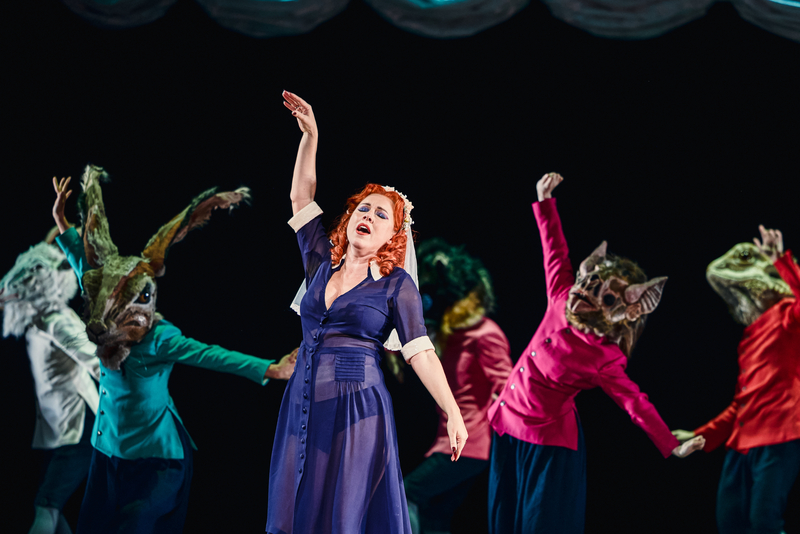
In this current performance, the work was similarly brought to life by an exceptional, world-class cast and an inventive, thoroughly engaging staging where there was never a dull moment. The evening powerfully reaffirmed the composer’s enduring genius and breathtaking sense of drama.
The casting paired the distinguished soprano Lisette Oropesa in the title role with prominent mezzo-soprano Emily D’Angelo as the valiant knight Ruggiero.
Having beautifully tackled major Handelian heroines in the past—including acclaimed characterisations as Cleopatra in Giulio Cesare, Rodelinda, and the title role in Theodora—Oropesa is an expert in this challenging repertoire. Richard Jones’ inventive and sharp production frames Alcina as a glamorous, modern fashion icon, exuding an aura of haute-couture allure that makes her seductive power entirely believable. Oropesa dominated the stage with expressive emotional nuance, singing with exacting stylistic fidelity to the Baroque tradition. She transitioned brilliantly from the affecting, warm sensuality of Di’, cor mio, quanto t’amai to a structurally crucial rendition of Ah! mio cor—one of the most divine arias the master ever penned—which was delivered with theatrical urgency, immense beauty of the melodic line, and deep despair. This emotional arc culminated in the desperate, desolate anguish of Ombre pallide, bringing Act II to a powerful close.
Alongside her, D’Angelo delivered a commanding performance. Possessing a strikingly youthful, boyish stage presence, she was visually ideal as the captive knight. Her instrument is truly special—dark-toned, highly flexible, and deeply expressive. I thoroughly admired the way she handled the text, using the weight of the words to articulate the character’s profound emotional turmoil. She effortlessly rendered the melancholic, heartbreaking yearning of the famous Verdi prati.
Beth Taylor, as Ruggiero’s fiancée Bradamante in disguise as “Ricciardo,” sang with great poise, excitement, and a fierce narrative drive, particularly in her Act II vengeance aria, Vorrei vendicarmi. Meanwhile, Mary Bevan brought dazzling vocal fireworks, pristine clarity, and bright scenic charm to Morgana’s celebrated Tornami a vagheggiar, while tenor Rupert Charlesworth was very persuasive as the jealous Oronte, commander of Alcina’s forces, and Edward Grint was equally formidable as the wise Atlante, former tutor of Ruggiero. The role of Oberto, the young boy searching for his father, Astolfo, whom Alcina has transformed into a lion, was sung by the treble Kieran Lund-Deely with fine intonation and touching expressivity.
Together, the cast delivered a sensational display of musical artistry, executing their technically exigently demanding arias with meticulous stylistic precision and absolute mastery over the intricate coloratura passages.
Under the vibrant musical direction of conductor David Bates—who opted for fluid, forward-moving tempos and provided superb, attentive support to his vocalists—this revival was led by Olivier Award-winning director Jones and featured distinctive visual designs by Antony McDonald. McDonald’s witty design transforms Alcina’s mystical sorcery into a stylish commercial enterprise built upon a luxury perfume brand bearing her name, where a simple blast from an oversized atomiser functions as the binding spell over her ex-lovers. This concept found its most striking visual expression in the meticulously detailed, larger-than-life animal heads worn by the dancers, which brilliantly manifested the psychological degradation of her discarded victims. Crucially, the production also found room for a few well-timed humorous touches, which were faultlessly executed and provided a delightful, welcome contrast to the opera’s intense emotional weight.
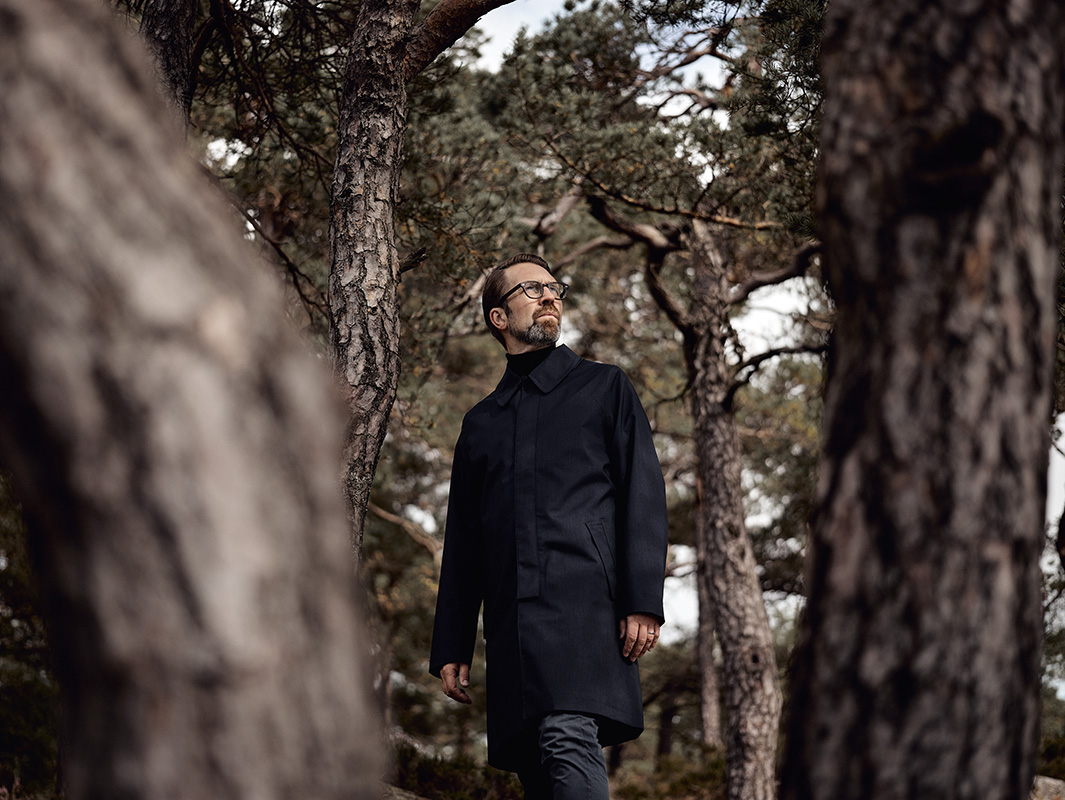
The operatic intensity of the Baroque stage shifted into pure, expansive symphonic power the very next afternoon. On Sunday 4 October, an exceptional matinee at the Royal Festival Hall saw the Philharmonia Orchestra deliver a deeply satisfying concert, performing at the very top of its form. While audiences were saddened that Maestro Herbert Blomstedt—who originally programmed Anton Bruckner’s Symphony No. 5—had to withdraw due to the natural health challenges of his advanced age of 99, Conductor Laureate Esa-Pekka Salonen stepped in magnificently to lead the revised program.
The first half opened with Ludwig van Beethoven’s Piano Concerto No. 3, where soloist Leif Ove Andsnes gave a lucid, elegant performance. He perfectly captured the score’s fluid and contrasting structural framework, moving effortlessly between the dramatic, impassioned outer sections and the lyrical stillness of the central Largo. As an encore, he offered a delightfully shaped account of Jean Sibelius’s Impromptu No. 5, infusing the miniature with shimmering radiance and verve.
Following the interval, the orchestra turned to Bruckner’s Symphony No. 4 (Romantic). Salonen steered the musicians powerfully through this majestic opus, granting each movement its distinct character, Wagnerian breath, and emotional gravity. The conductor, who is famously a gifted composer in his own right, used his architectural insight to illuminate hidden orchestral details while keeping the overarching structure beautifully balanced.
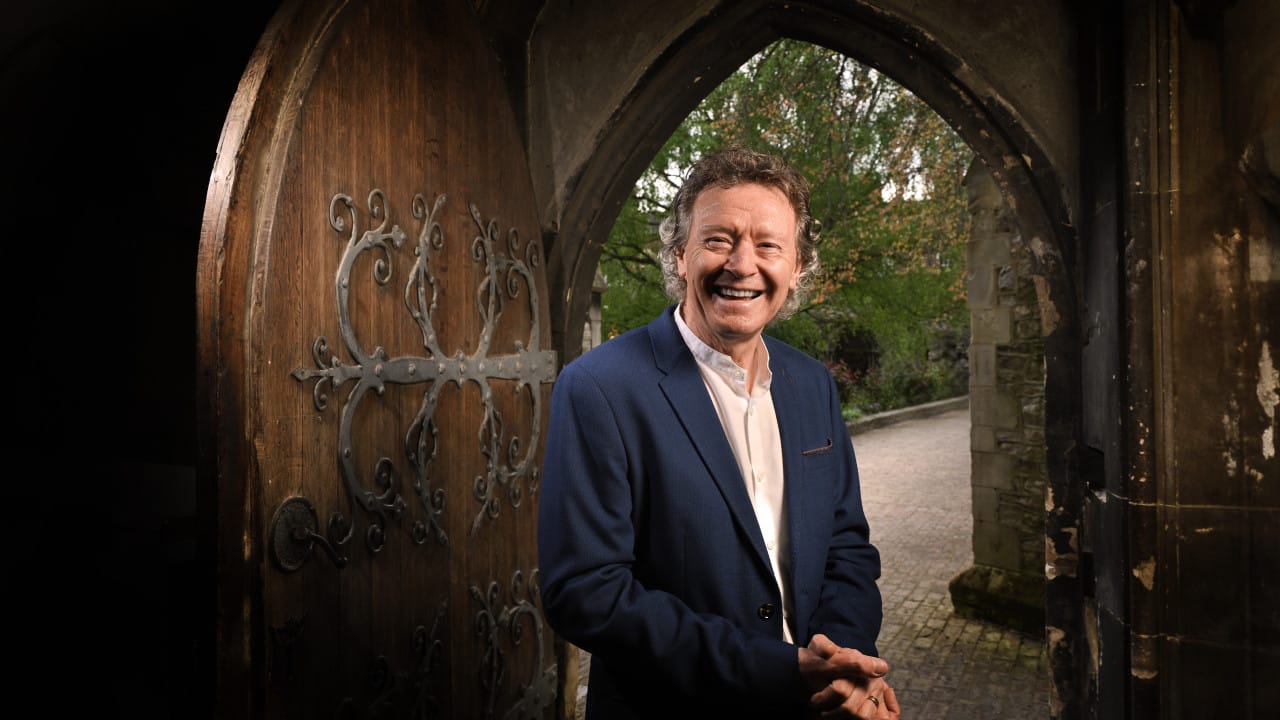
On Wednesday 7 October, the focus shifted to the Renaissance as a sublime evening of polyphony unfolded at St James’s, Spanish Place.
Organised by Wigmore Hall, the concert featured transcendent performances by The Sixteen under the expert direction of Harry Christophers. The thoughtfully curated, hour-long program wove together sacred masterpieces by Orlande de Lassus, Josquin des Prez, Antoine Brumel, and Jean Guyot de Châtelet.
Harry Christophers prefaced the selections with brief, illuminating commentaries before guiding his handpicked vocalists through the elaborate scores.
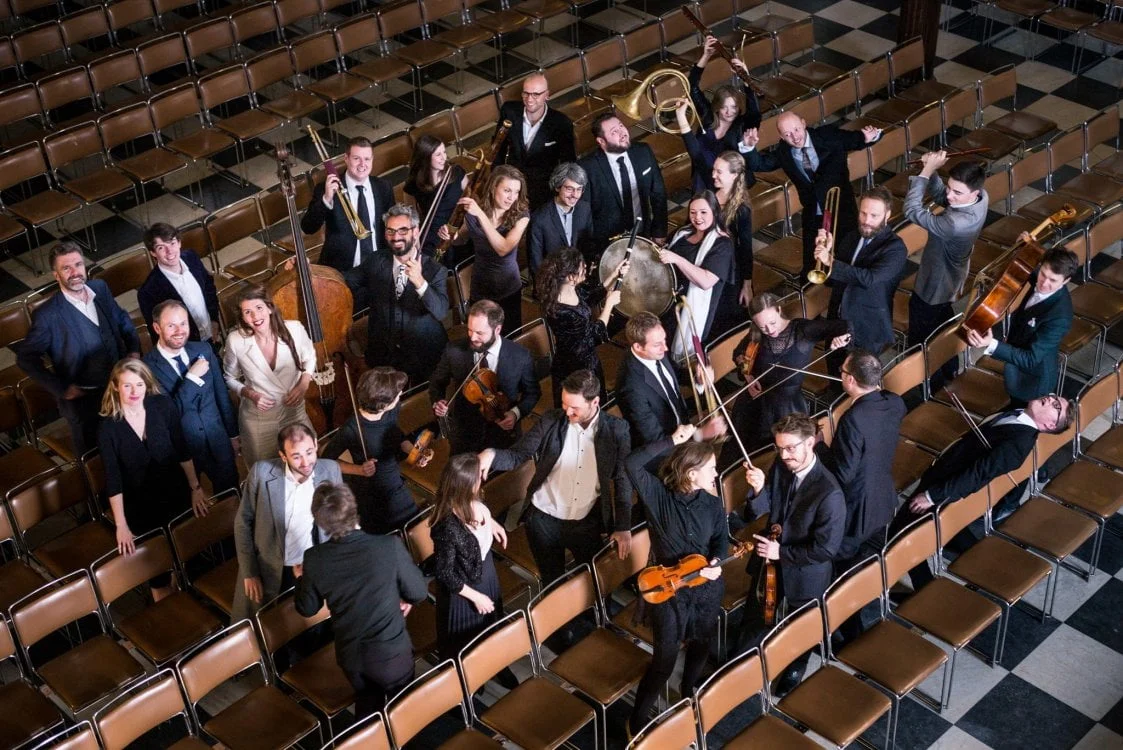
The musical week culminated on Saturday 10 October with a magnificent performance of Johann Sebastian Bach’s immortal Mass in B minor, BWV 232, delivered by Solomon’s Knot back at Wigmore Hall. Remarkably, the entire ensemble of singers and instrumentalists managed to fit fairly comfortably onto the intimate dimensions of the stage. In this monumental score, Bach offers a grand retrospective of his career, ingeniously adapting material from earlier vocal works and synthesising radically diverse compositional traditions.
The ten marvellous singers effortlessly fulfilled both the solo and choral duties, bringing a rare chamber-like intimacy as well as profound majesty to the masterpiece. Operating without a conductor, the collective was unified from within by artistic director Jonathan Sells. Singing the bass part, he guided the performance implicitly—eschewing conventional hand gestures and remaining turned toward the audience, he shaped the music through brief glances and subtle shifts of body language, fully sustained by leader Magdalena Loth-Hill on first violin.
The orchestra members proved entirely on a par with the vocalists, offering a precise, warm, and crystal-clear realisation of the score. Interacting with the shared intuition of an elite chamber ensemble, they highlighted the singing lines, varied rhythmic structures, and consummately detailed contrapuntal dexterity of the writing. Their performance brought to light the rich stylistic elements embedded within the work—bridging the worlds of ancient Gregorian chant and strict Renaissance polyphony with the theatrical pulse of late-Baroque Italian opera and the courtly dances of the era. Ultimately, a large, traditional chorus was rarely missed, as the brilliant acoustics of the venue amplified every detail.
The Gloria brought the first half to a triumphant close. The subsequent interval—not a rarity for concert performances of this work—proved highly effective, allowing both the ensemble and the audience a moment to breathe and renew concentration.
The Credo, which opened the second part of the evening, was executed with precision and dramatic passion so that the inherent drama remained unbroken from beginning to end.
Each member of the vocal ensemble brought distinct expression, colour, and beauty to their respective solo assignments: sopranos Miriam Allan, Clare Lloyd-Griffiths, Zoë Brookshaw, and Ciara Hendrick; altos William Shelton and Kate Symonds-Joy; tenor Nicholas Mulroy (substituting for Thomas Herford); and basses Alex Ashworth and Jonathan Sells.
The orchestral ensemble featured exceptional solo contributions characterised by style, refinement, and technical security. The full instrumental lineup comprised Magdalena Loth-Hill and Agata Daraškaitė (violin I); George Clifford and Gabi Jones (violin II); Joanne Miller (viola); Sarah McMahon (cello); Jan Zahourek (double bass); Eva Caballero and Marta Gonçalves (flute); Daniel Lanthier and Robert de Bree (oboe); Inga Maria Klaucke and Ester van der Veen (bassoon); Anneke Scott (horn); Russell Gilmour, William Russell, and Sam Kinrade (trumpet); Rosemary Toll (timpani); James Johnstone (harpsichord); and William Whitehead (organ).
