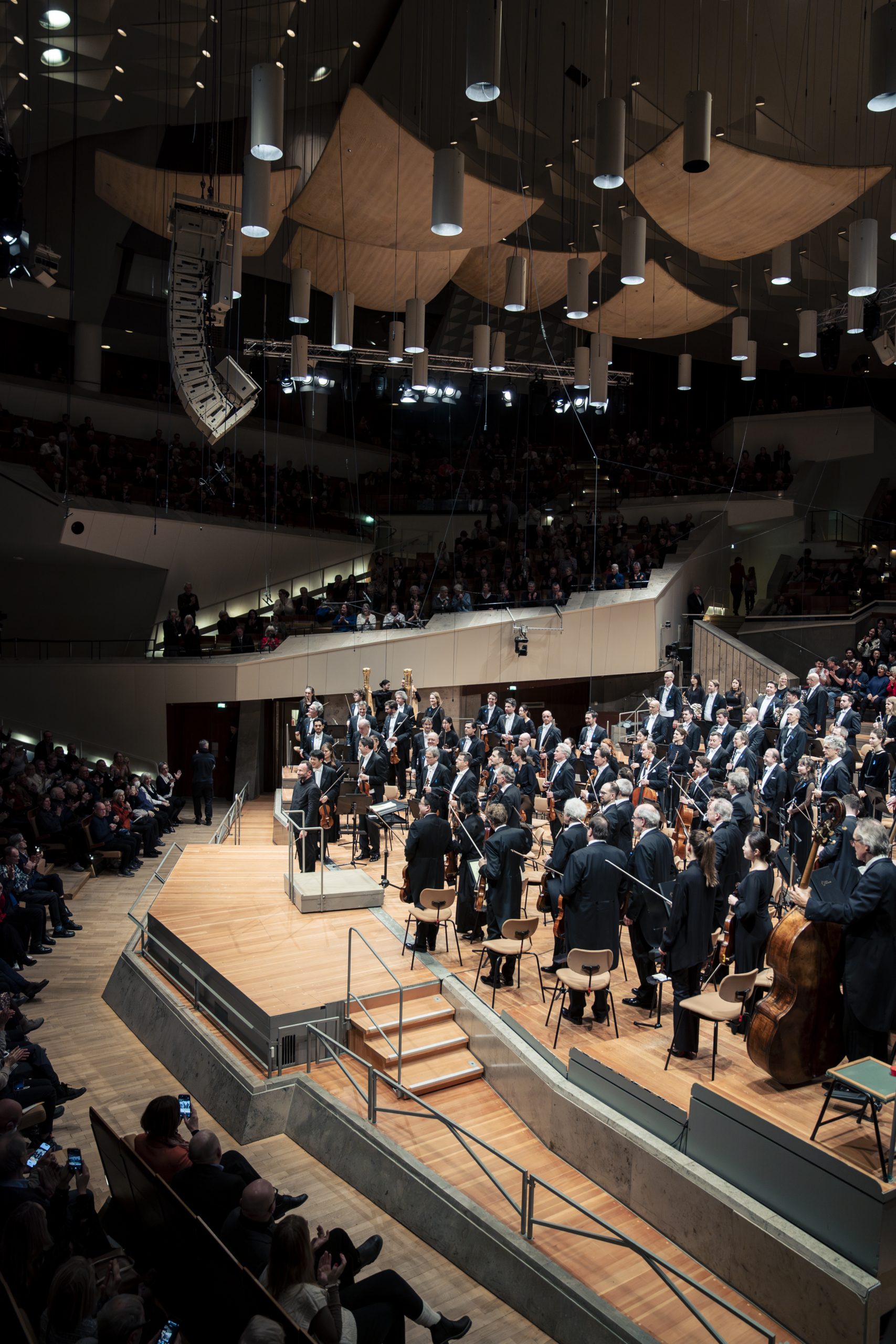

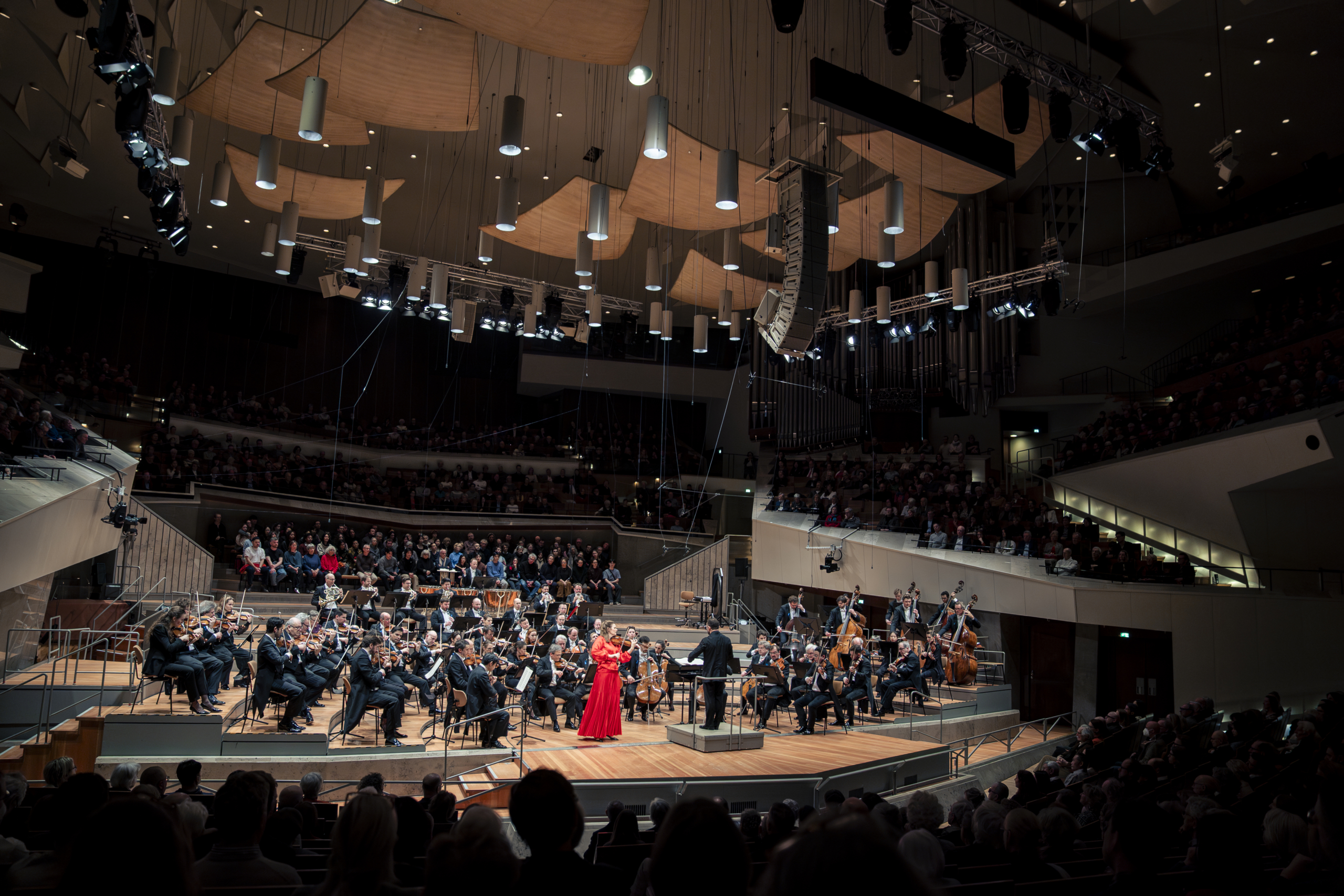
It is always with immense pleasure that one attends a concert of the celebrated Berliner Philharmoniker especially when given in the orchestra’s own hall, the splendid Philharmonie in Berlin, with its excellent acoustics.
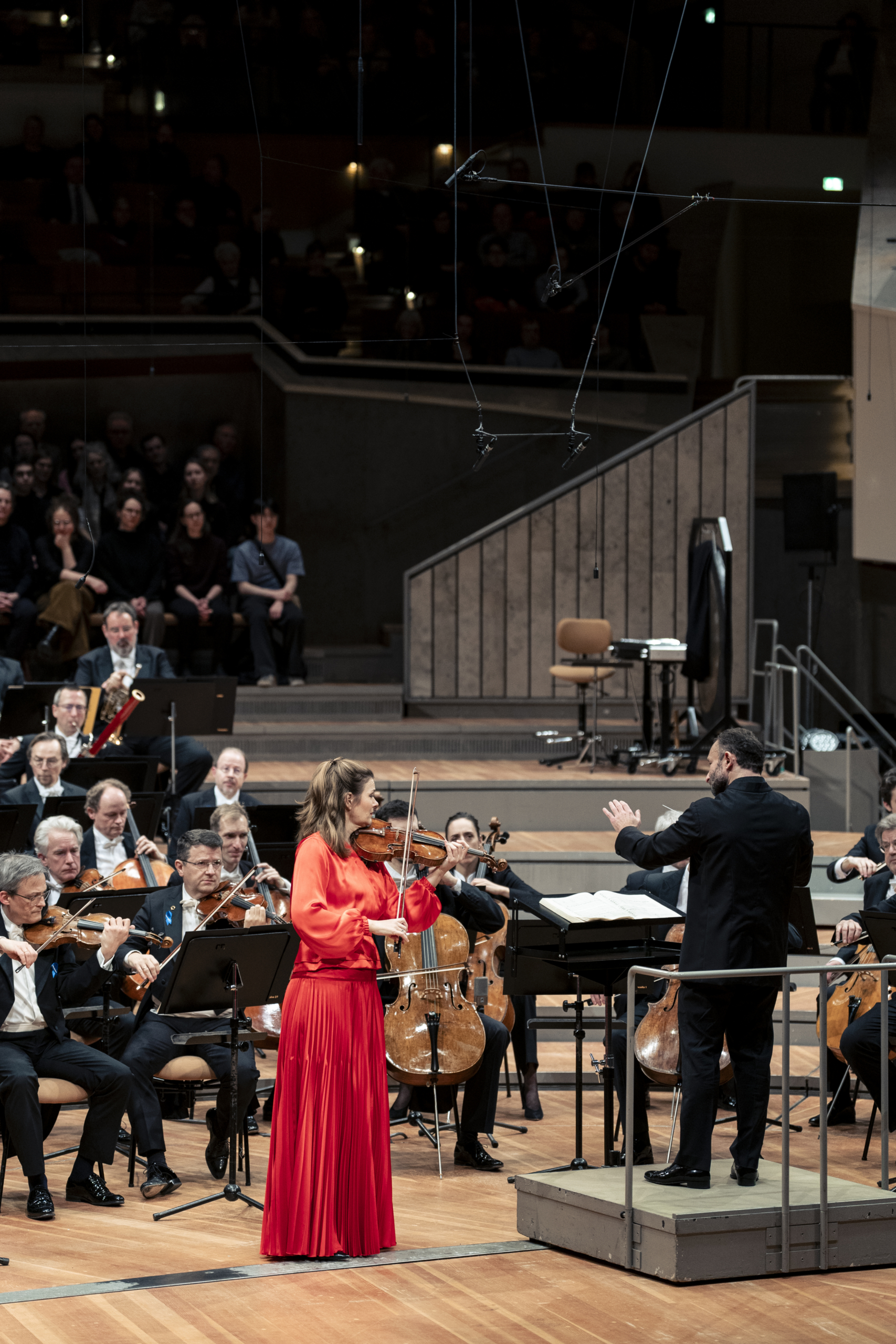
Kirill Petrenko took over as chief conductor and artistic director of the orchestra on August 19, 2019, having previously conducted it in 2006, 2009, and 2012. The partnership throughout the years has indeed proven to be absolutely successful. In addition to the special “chemistry” that has developed between orchestra and conductor, it is Petrenko’s fascinating interest in lesser-known repertoire that has given the orchestra and the audience the opportunity to discover new musical horizons. During the first part of the concert we attended on January 29, the dazzling Dutch violinist Janine Jansen, the orchestra’s artist in residence for the current season, was the soloist in Brahms’ much loved Violin Concerto in D major, Op. 77, completed in 1878 and dedicated to the legendary violinist Joseph Joachim, the composer’s close friend and collaborator.
The Berliner Philharmoniker, founded in 1882, has a long history of association with Brahms, dating from the times when the great man himself appeared with the orchestra as pianist or conductor. And it goes without saying that the composer’s works have always formed an important part of the Berlin Philharmonic’s repertoire.
Jansen displayed rare musicality, noble imagination and astonishing technical abilities. Through her intense body movements and expansive gestures, she seemed to become an extension of her precious instrument from which her magnificent sound gushed forth. Her sound was bright and consistently polished, but could also become deep, dark or mellow when the score required, being finely combined with the warm, round, luxurious and analytical sound of the orchestra, under Petrenko. The conductor underlined the details and structure of the masterful score while unfolding the work in an incisive manner.
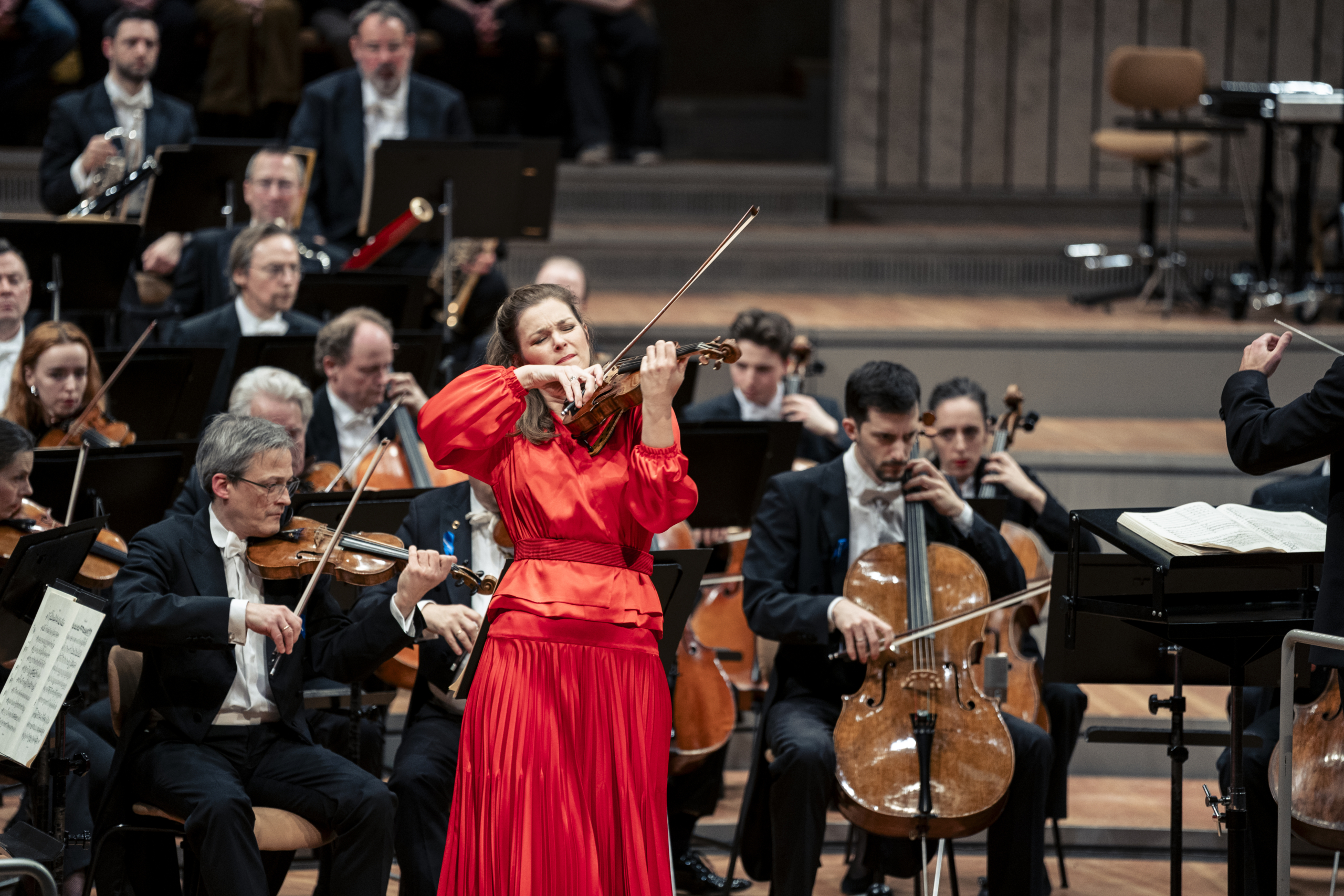
During the first movement, Allegro non troppo, the symphonic writing was brilliantly handled as was the epic spirit of the music. During the second movement, Adagio, the soloist, orchestra and conductor brought forth the glowing lyricism of the melodic line and phrased with genuine emotion. In the last movement, Allegro giocoso, ma non troppo vivace – Poco più presto, the optimism and inner energy of the music emerged with extraordinary enthusiasm and passion.
In the second part of the evening, the Berlin Philharmonic and Petrenko offered a captivating reading of one of Alexander Scriabin’s most important scores, the Symphony No. 3 in C minor, Op. 43, entitled Le Divin Poéme (The Divine Poem) and written in the years 1902-1903. Although this is a work that never fails to impress in concert or during recordings, it is rather rarely featured in concert programs. Petrenko’s admiration and love for Scriabin is well documented and noted from past readings; we vividly recall his memorable rendition of the symphonic poem entitled, Le Poème de l’extase (The Poem of Ecstasy), Op. 54, which he had presented with the Berlin Philharmonic in December 2012.
Recently, during Le Divin Poéme, Petrenko, led his amazing musicians (Scriabin requires a large orchestra) in a performance that was stunning in every way, intense, deep, virtuosic and radiant. Through thoughtfully calculated and balanced tempi, exciting climaxes, and a constant desire to highlight the composer’s imaginative orchestration, the philosophical quests described and expressed in this masterpiece, came to light.
Furthermore, the mystical atmosphere, the mood shifts, the struggles of man aiming to reach his spiritual freedom, which are described in the score with the utmost precision, were interpreted with accuracy and idiomatic taste. The same applied concerning the presentation of the various leitmotifs. There was also plenty to admire in the performance of the note-perfect and full of character orchestral groups, namely the ever-vigorous strings, the exemplary wind instruments (both woodwind and brass) and percussion.
During the final enthusiastic applause of the audience, which sealed the evening in a grand manner, the conductor walked up to the brass and offered his flower bouquet to the orchestra’s first trumpeter, who performed his extensive solos with precision and brilliance.
In conclusion and to sum up, it was a hugely committed, blazing and idiomatic performance, which one really wishes that may appear on CD in the near future. This would unquestionably be an important addition to the orchestra’s series of outstanding recordings for its own label (the Berliner Philharmoniker Recordings), created in 2014.