
George Frideric Handel’s opera Scipione was performed at St Martin-in-the-Fields on 16 October, marking the 300th anniversary of the work. The evening also coincided with the historic church’s own tercentenary year.
Handel wrote his three-act opera seria, Scipione (often anglicised as Scipio), in early 1726 as a quick placeholder for the Royal Academy of Music while waiting for the delayed arrival of soprano Faustina Bordoni. Created in just three weeks to a libretto by Paolo Antonio Rolli, the piece was crafted specifically for the academy’s reigning superstar virtuosos: the celebrated soprano Francesca Cuzzoni and the legendary alto castrato Senesino. It premiered on 12 March 1726 at the King’s Theatre in the Haymarket, London, famously opening with a triumphal military march that remains the Regimental Slow March of the British Grenadier Guards to this day. Set in 209 BC, the plot follows the Roman general Scipio Africanus after his conquest of New Carthage, where he captures and falls in love with the beautiful princess Berenice. Berenice, however, remains fiercely loyal to her betrothed, the Celtiberian prince Lucejo, who infiltrates the Roman camp in disguise to rescue her. After a succession of dramatic confrontations fuelled by passion and jealousy, Scipio chooses the path of political virtue and moral integrity over raw power. In a final act of legendary generosity, the general relinquishes his claim to Berenice, returns her father’s ransom, and blesses her marriage to Lucejo.
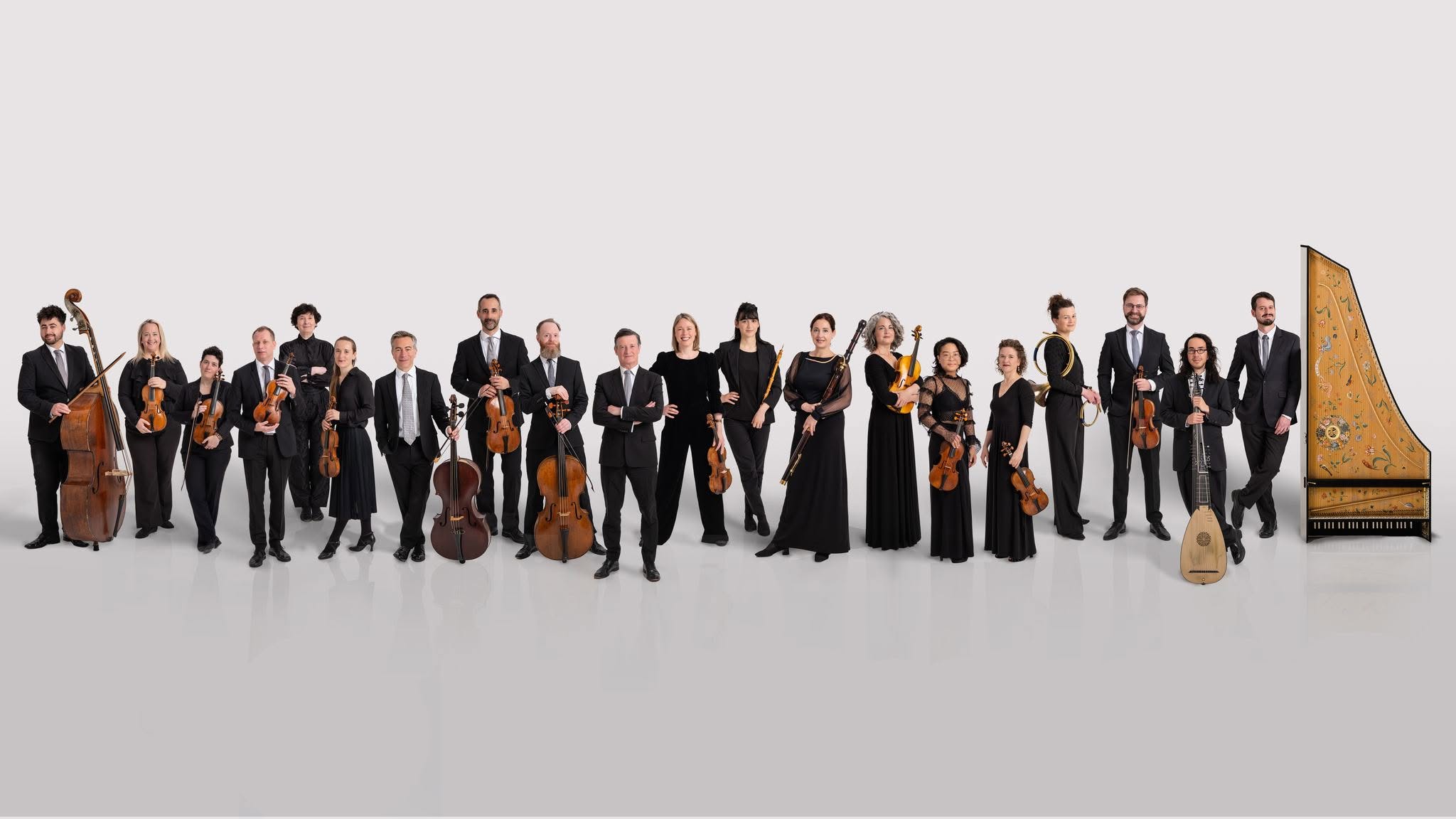
Under the direction of the distinguished Handelian conductor Harry Bicket, who led from the harpsichord, the famed English Concert were on resplendent form, playing with a special command of style, rhythmic vitality, and breath. The performance sounded both noble and theatrically strong, proving persuasive at every moment.
In addition, an outstanding cast—featuring Kelsey Lauritano (Scipione), Lucy Crowe (Berenice), Carolyn Sampson (Armira), Xavier Sabata (Lucejo), Archie Inns (Lelio), and Thomas Chenhall (Ernando)—brought impressive authority and naturalness to the demanding score.
Crowe wrought marvels and delivered her formidable arias with perfection, making use of her angelically beautiful, pure voice and flawless tonal accuracy in the high notes; her breath control and coloraturas were astonishing during the technically challenging Act 2 final aria, Scoglio d’immota fronte.
Seasoned countertenor Sabata offered his experience and stylistic expertise to every phrase he sang, notably in his concluding Act 1 aria, Figlia di reo timor. We also noted Chenhall’s rich bass voice and expressiveness, alongside Inns’s effortless, firm tone and intense musicality—definitely two young singers to watch.
All in all, this performance marks an important instalment of the English Concert’s ambitious Handel for All series, which aims to bring the composer’s complete works to wider audiences. One cannot wait for the recording to appear.
Last but not least, the Italienisches Liederbuch by Hugo Wolf, performed at Wigmore Hall on October 18, was another treat.
Composed in two periods between 1890–1891 and 1896, Wolf’s Italienisches Liederbuch is a collection of 46 miniature songs based on traditional Italian folk poetry translated into German by Paul Heyse. Rather than following a single plot, the work functions as a theatrical sequence of vivid vignettes exploring the complexities of love from both male and female perspectives. The collection is celebrated for its intense psychological realism, combining sharp irony, wit, and deep romantic yearning with highly expressive, independent piano parts.
Although listed chronologically in the printed program, the songs were performed in a rearranged order. During the first half of the evening, this deviation confused both the audience and the individual managing the surtitles. Before the second half, a hall representative apologised for the disruption, and the projected translations were successfully synchronised with the artists’ chosen layout.
While many singers interpret the cycle in its published sequence, doing so is not mandatory since the pieces do not form a linear narrative. For instance, the famous 1965–1967 EMI Classics recording featuring Elisabeth Schwarzkopf and Dietrich Fischer-Dieskau, accompanied by Gerald Moore, famously abandons the chronological tracklist.
Similarly, the January 1994 Hyperion Records studio album by Dame Felicity Lott and Peter Schreier with Graham Johnson at the piano opts for a custom, intermingled arrangement. On the other hand, some landmark interpretations choose to follow the composer’s published ordering meticulously, such as the 1974 Deutsche Grammophon recording by Edith Mathis and Peter Schreier with pianist Karl Engel. From an analytical standpoint, I favour a performance adhering closely to this original presentation, as it preserves the subtle tonal relationships and macro-structural design carefully conceived by the composer.
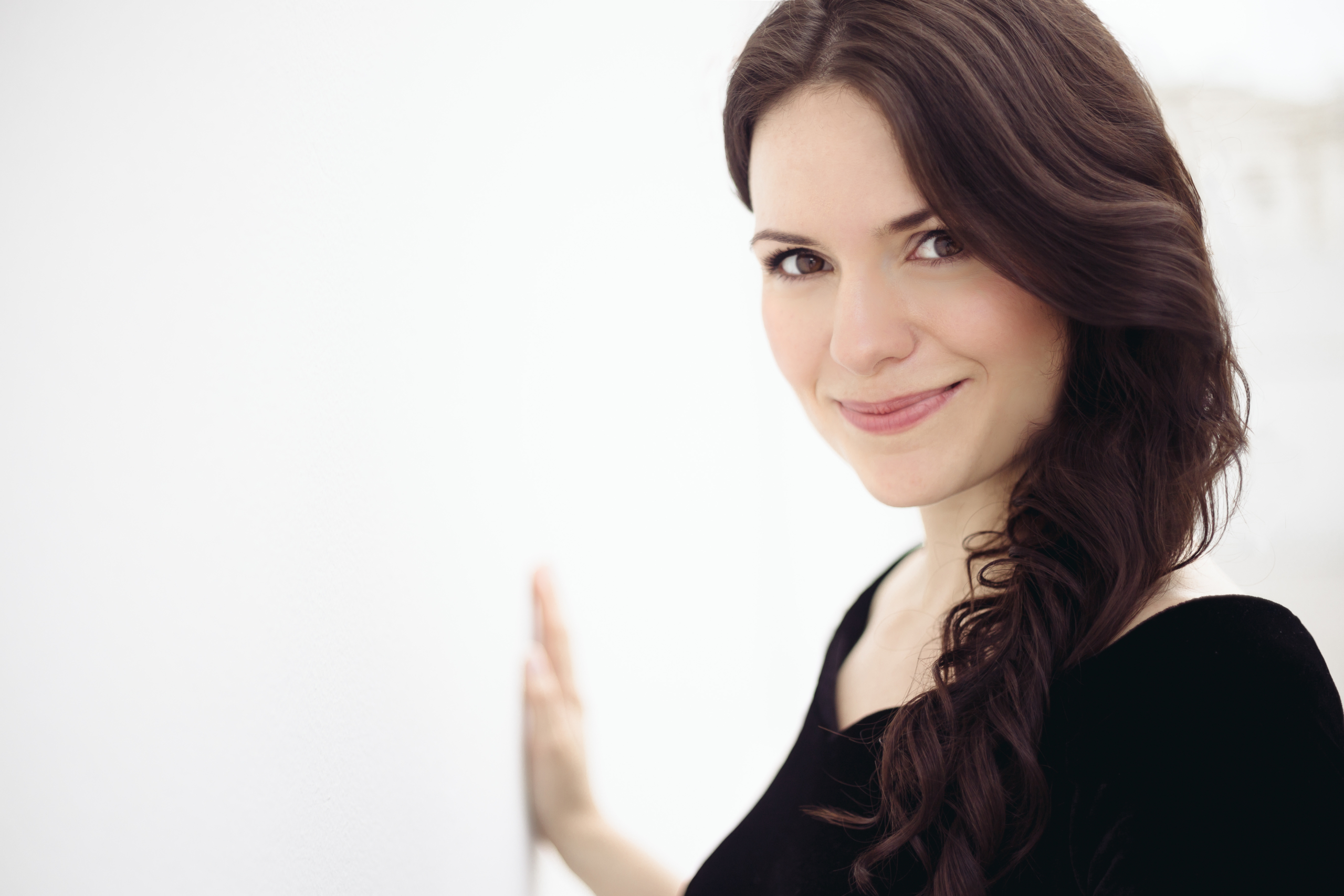
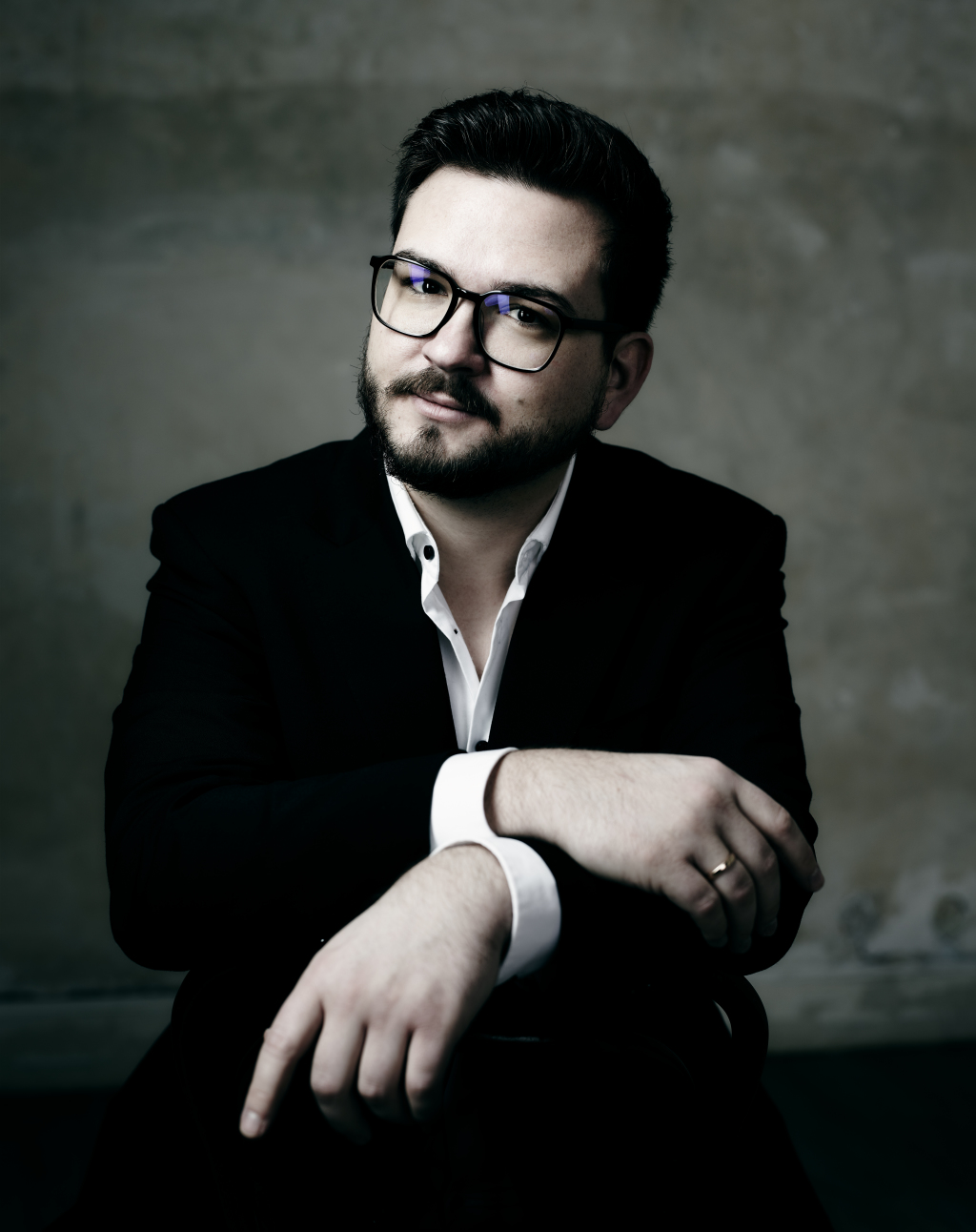
Soprano Katharina Ruckgaber, baritone Johannes Kammler, and Dame Imogen Cooper gave a deeply sensitive and intimate performance. Ruckgaber’s youthful tone, sincerity, and charm (exemplified in Auch kleine Dinge and Du denkst mit einem Fädchen mich zu fangen) blended beautifully with Kammler’s well-rounded, dark voice and keen ear for sonority (as heard in Und willst du deinen Liebsten sterben sehen and Gesegnet sei, durch den die Welt entstund).
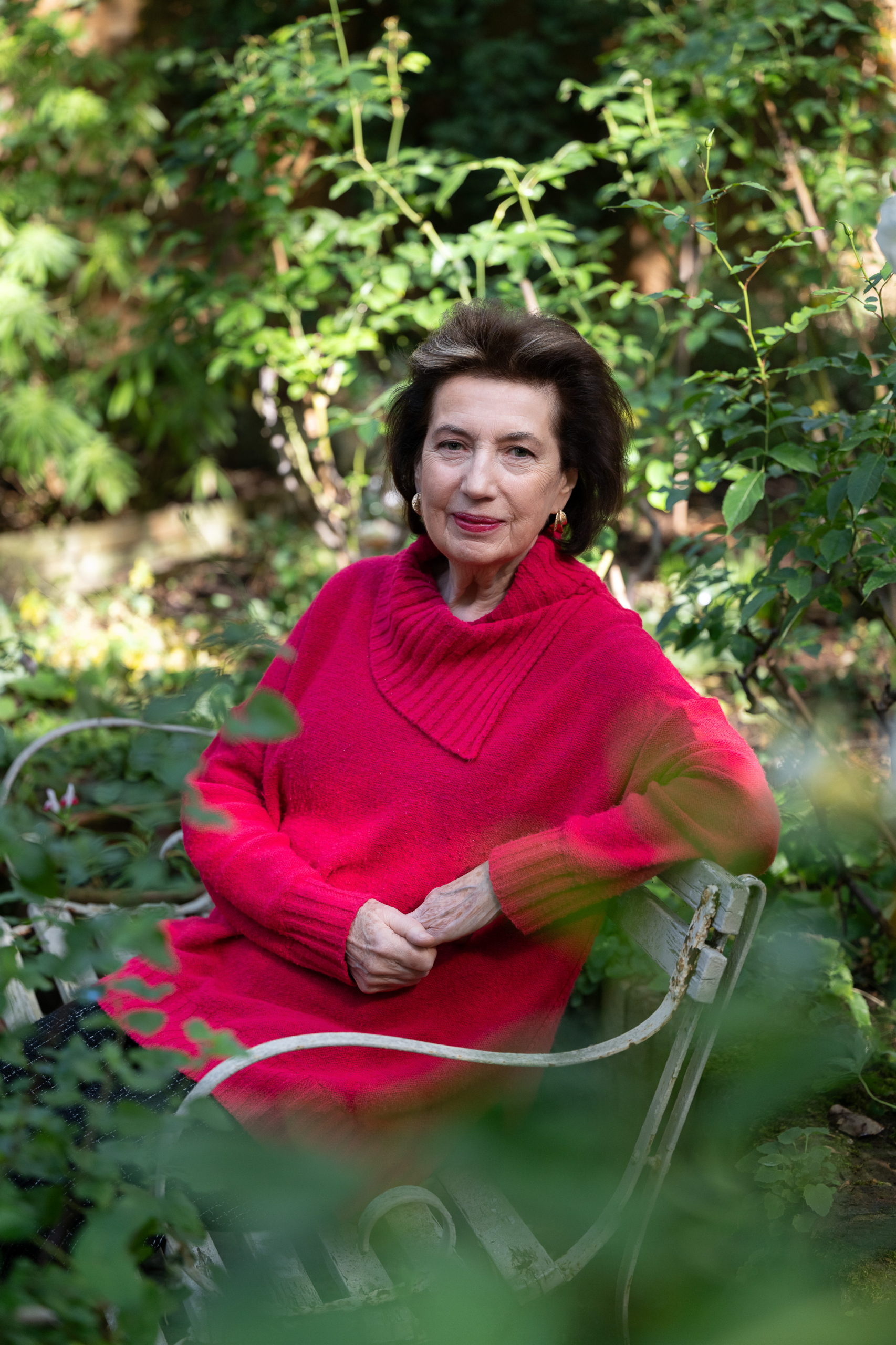
Hearing Dame Imogen at the piano in one of her final appearances before retirement made the evening feel particularly special. I deeply appreciated the characteristic warmth of her playing and her innate understanding of Wolf’s particular pianistic demands—an expertise honed through an illustrious career of interpreting his repertoire, notably in her decades-long recital partnership and acclaimed recordings with baritone Wolfgang Holzmair for Philips and the Wigmore Hall Live label.
Definitely a Liederabend to remember.
