

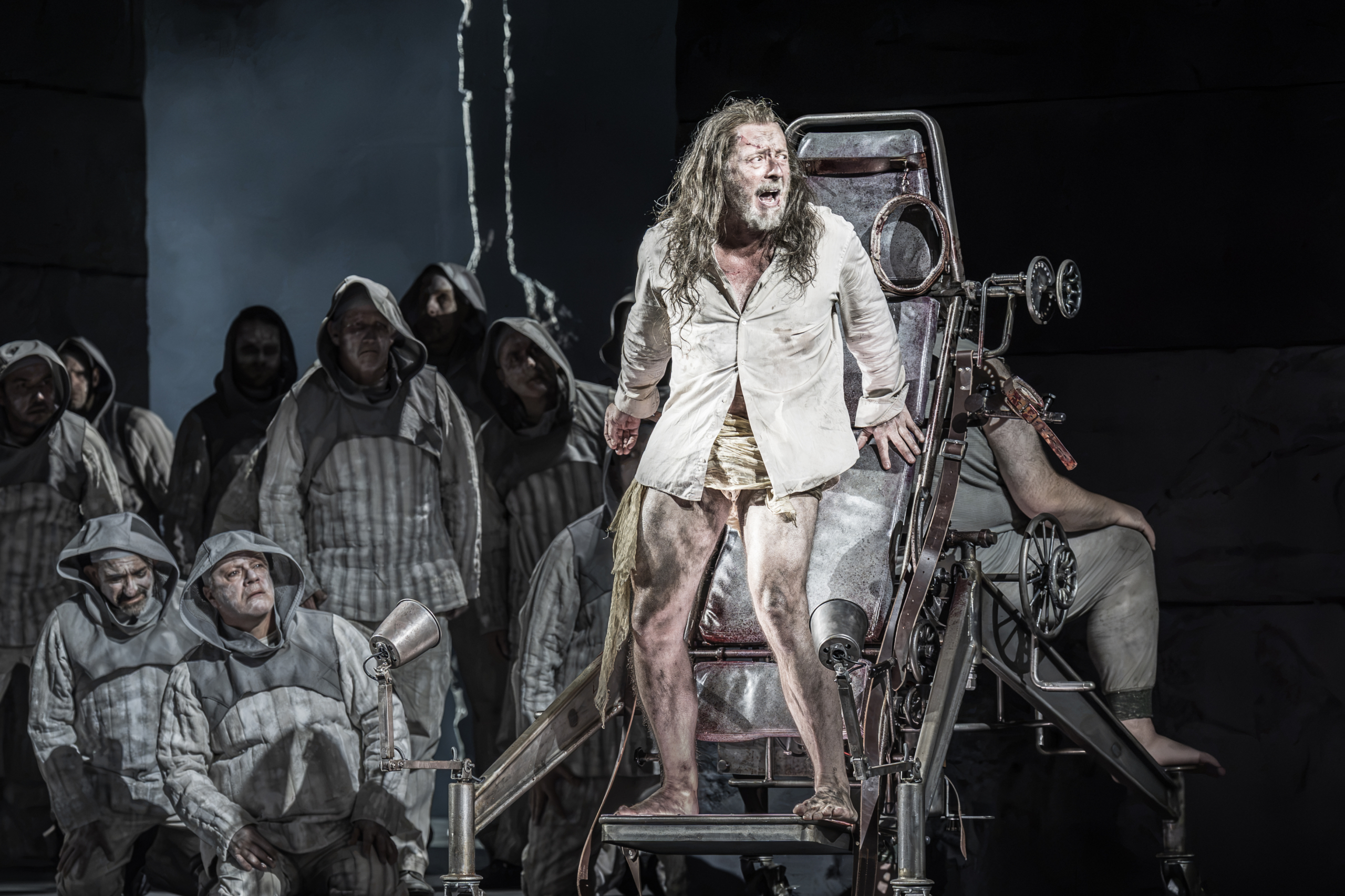
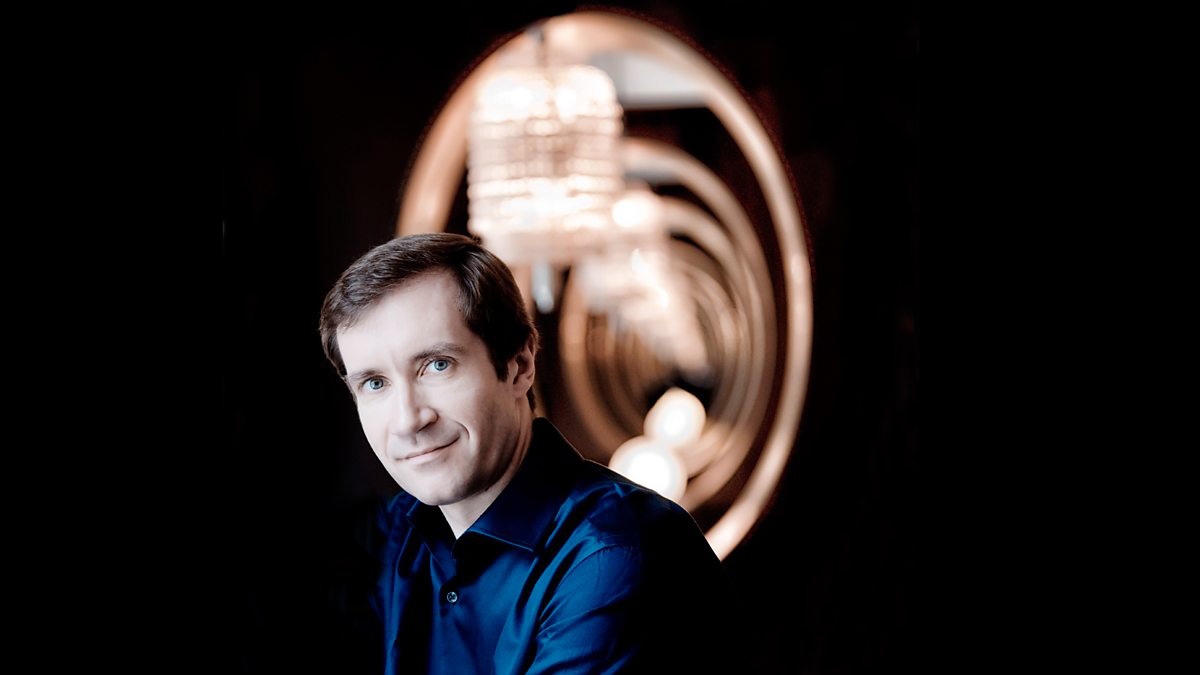
Nikolai Lugansky, a regular and welcome presence on the capital’s concert stages, delivered a superb recital at Wigmore Hall on October 12. As a standard-bearer of the grand Russian school of piano playing, his performance beautifully exemplified that tradition’s hallmark synthesis of immense muscular power and rigorous analytical structural clarity. The evening’s programme paired Robert Schumann in the first half (3 Fantasiestücke, Op. 111 and Faschingsschwank aus Wien, Op. 26) with Fryderyk Chopin in the second (Barcarolle in F-sharp major, Op. 60, Impromptus Nos. 1–3, Scherzo No. 4 in E major, Op. 54, and the Polonaise in A-flat major, Op. 53).
His Schumann possessed immense vitality and an innate rhythmic fluidity. Rhetorical passages were delivered with genuine gravitas, while more tempestuous moments yielded seamlessly to sections of quiet intimacy. Throughout the Chopin selection, Lugansky managed the lyrical, vocal threads, supporting the distinct architectural character of each score, even if one occasionally wished for a more delicate touch. His formidable artistic personality, expansive sonic palette, and technical control stood out.
To conclude, Lugansky submitted the following familiar encores in a style that offered equal enjoyment and dedication: Edvard Grieg’s Arietta from Lyric Pieces, Op. 12, Chopin’s Fantaisie-impromptu in C-sharp minor, Op. 66, Franz Liszt’s Liebeslied (Widmung), S. 566—a transcription famously based on Schumann’s own Lied—and Sergey Rachmaninov’s Lilacs, Op. 21 No. 5.
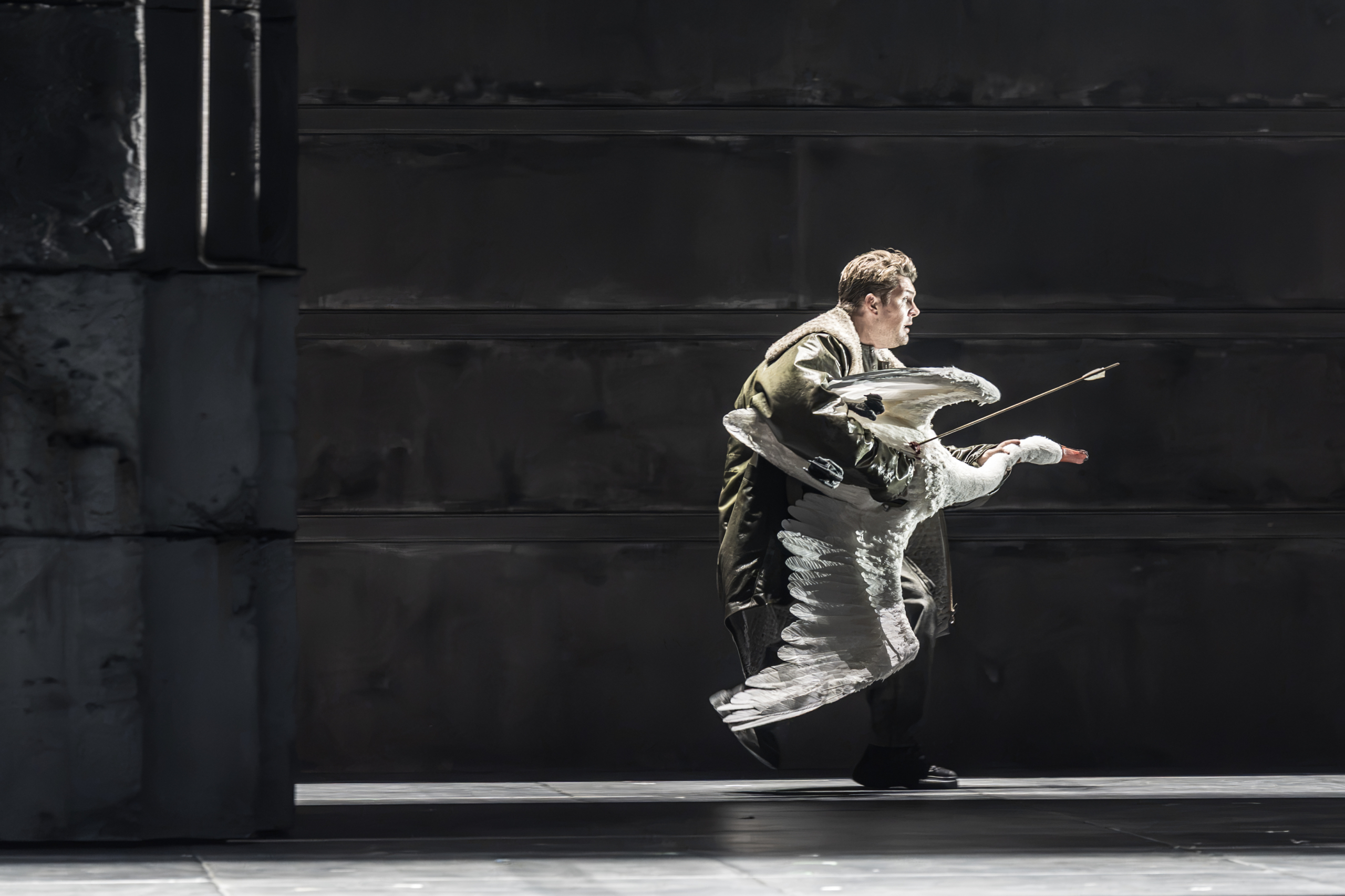
On October 14, 2026, at the Royal Ballet and Opera, I attended a performance of Richard Wagner’s last opera—or sacred musical drama, which he designated a Bühnenweihfestspiel (“Festival Stage-Consecration Play”)—Parsifal, in a new production by Evgeny Titov. Conceived as early as 1857, completed in January 1882, and calibrated specifically for the acoustics of the Bayreuth Festspielhaus, the masterpiece premiered there on July 26, 1882. Within its pages lies music of supreme beauty, emotional penetration, and philosophical depth, standing rarely equalled across the operatic landscape. Marking his directorial debut at the Royal Opera, this staging represents Titov‘s second production of a Wagner work, following a recent Tannhäuser in Graz. Since expanding from theatre into opera directing in 2020 with Shostakovich‘s Lady Macbeth of Mtsensk in Wiesbaden, Titov has maintained a remarkably prolific schedule across the international circuit.
His interpretation unfolds in a grim, dystopian setting where absolutely no daylight enters, shifting focus toward modern anxieties rather than Wagner’s traditional path of compassion and renunciation. In the original story, King Amfortas languishes from a magical wound inflicted by the sorcerer Klingsor after yielding to the temptations of the cursed Kundry. The innocent youth Parsifal resists Kundry’s seduction, achieving spiritual enlightenment and deep empathy through renunciation; by reclaiming the Holy Spear, he heals the King, redeems Kundry, and leads the Grail knights. However, Titov divests Parsifal of medieval mysticism, plunging the community into a concrete-walled surveillance state. Replacing Klingsor’s magical garden with sterile animatronics and focusing the ritual on raw human trauma rather than a physical Holy Grail vessel, Titov crafts a claustrophobic psychological drama. This punishing approach shifts focus from divine intervention to a desperate struggle for earthly empathy. Trapped as an unwilling instrument of Klingsor’s espionage before seeking salvation, Kundry meets a starkly altered fate: rather than sinking lifelessly in the final bars, her death is brought forward to the middle of Act Three, turning her baptism into a solemn funeral ceremony. The resolution offers little catharsis; instead of ascending as a victorious redeemer, Parsifal ends the performance broken, curled in a fetal position beneath the dead Amfortas’s gurney.
The performance was exquisitely sung and executed by the orchestra under Jakub Hrůša, who was right inside the music from the very first bar. He opted for forward-moving tempi, clarity, and full sonority, taking meticulous care with detail while drawing out the essential Wagnerian warmth of sound. With a compelling and radiant Stanislas de Barbeyrac in the title role, the tenor looked youthful and athletic, possessing a distinctive, attractive voice with great stamina and delivering his part with truthful energy and an understanding of the Wagnerian line.
Having already proved his artistic mettle in the German repertoire as Siegmund in Die Walküre and Erik in Der fliegende Holländer, Barbeyrac further affirmed his credentials here. Audiences will soon hear him expand this repertoire, as he is scheduled to sing the title role of Lohengrin in a concert performance with the Philadelphia Orchestra at the Kimmel Center on April 11 and 18, 2027.
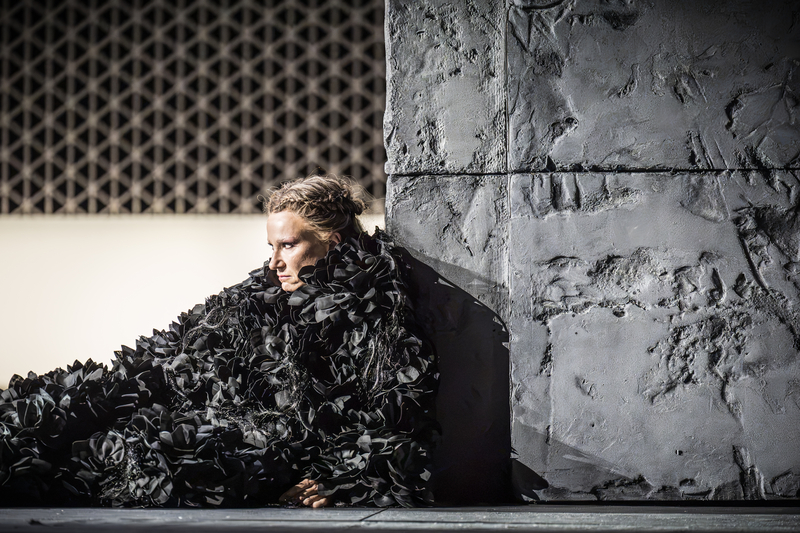
The vocal cast also featured Ekaterina Gubanova as an intense, moving Kundry. Gubanova is a seasoned artist who has sung numerous Wagnerian parts, including Brangäne in Tristan und Isolde, Fricka in Der Ring des Nibelungen, Ortrud in Lohengrin, and Venus in Tannhäuser. The cast was rounded out by an imposing Brindley Sherratt, who delivered the text as Gurnemanz with committed understanding, and a piercing Christian Gerhaher as the tormented Amfortas, who was musically and theatrically at his best. The lineup was completed by Mark Stone, who sang a commanding, evil Klingsor. Tied directly into the production’s central concept, Stone’s villain was reimagined as a corporate tyrant or authoritarian overseer. Dressed in a sharp business suit and operating from a bunker flanked by surveillance screens and telephone lines to bark out orders, Stone projected a recognizable, modern bureaucratic menace.
In the end, while Titov’s bleak, unyielding vision may divide traditionalists, the exceptional musical execution delivered by Hrůša, Barbeyrac, and the ensemble makes the production a notable event of the current season.
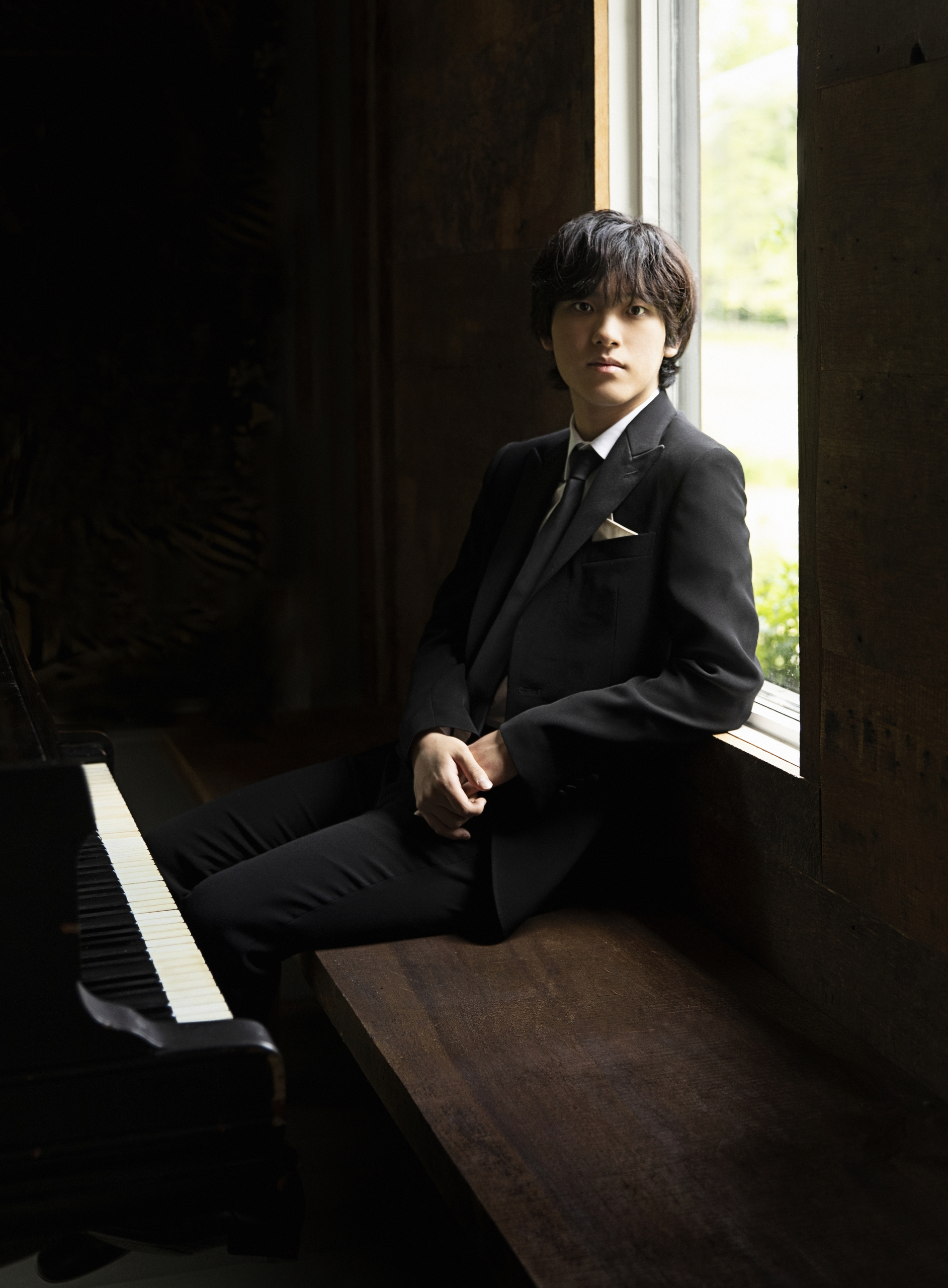
The next evening, on 15 October, at Wigmore Hall, the young keyboard star Yunchan Lim took the stage. Lim stole the international audience’s heart when he won the Van Cliburn International Piano Competition in June 2022 at just 18 years old, launching an extraordinary career taking him across the globe. Having previously performed some of the most impressive, virtuosic works of the repertoire—both solo and with orchestra—in a breathtaking way (who could forget his interpretation of Rachmaninoff’s Piano Concerto No. 3 or Liszt’s 12 Transcendental Études?), he has recently focused on major works from the Baroque and Classical eras, such as Bach’s Goldberg Variations and Mozart’s piano sonatas.
During this London recital, he inaugurated his complete cycle of the Mozart piano sonatas. He is scheduled to perform the full cycle across a four-recital residency at Carnegie Hall in New York, alongside multi-concert cycles and single recitals in cities including London, Seoul, Berlin, Daegu, Gangneung, Siheung, Barcelona, Amsterdam, and Tokyo.
We heard him perform the Piano Sonata No. 1 in C major, K. 279 and Piano Sonata No. 4 in D major, K. 284. After the interval, he returned with the Fantasia No. 3 in D minor, K. 397, Piano Sonata No. 12 in F major, K. 332, and Piano Sonata No. 8 in A minor, K. 310. He delighted throughout the evening, balancing his sparkling virtuosity, full-bodied tonal production, distinctive sound-colour palette, and crisp articulation with a rigorous study of Mozart’s marvellous scores. As he rushed onstage, he bowed cordially and swiftly, clearly already focused on what he was about to unveil. His interpretations were consistently fresh and exciting, marked by a deliciously playful spirit (for instance, the Allegro of K. 279), dramatic contrast, and knife-edged clarity. During the slow movements, he meticulously and tastefully shaped the cantabile phrases. As an encore, he repeated the third movement, Allegro, from the Piano Sonata No. 1 in C major, K. 279—a piece full of musical invention that must be one of his favourites. It is highly probable that an official recording will follow in the not-so-distant future, bringing his arresting, top-notch renderings to a wider audience.
